In an era defined by rapid policy shifts and international friction, understanding the intersection of geopolitics and financial markets has never been more critical for the modern investor. Traditional economic models often struggle to account for the unpredictable human behaviour driven by political volatility, leaving many wondering how to separate temporary noise from structural change.
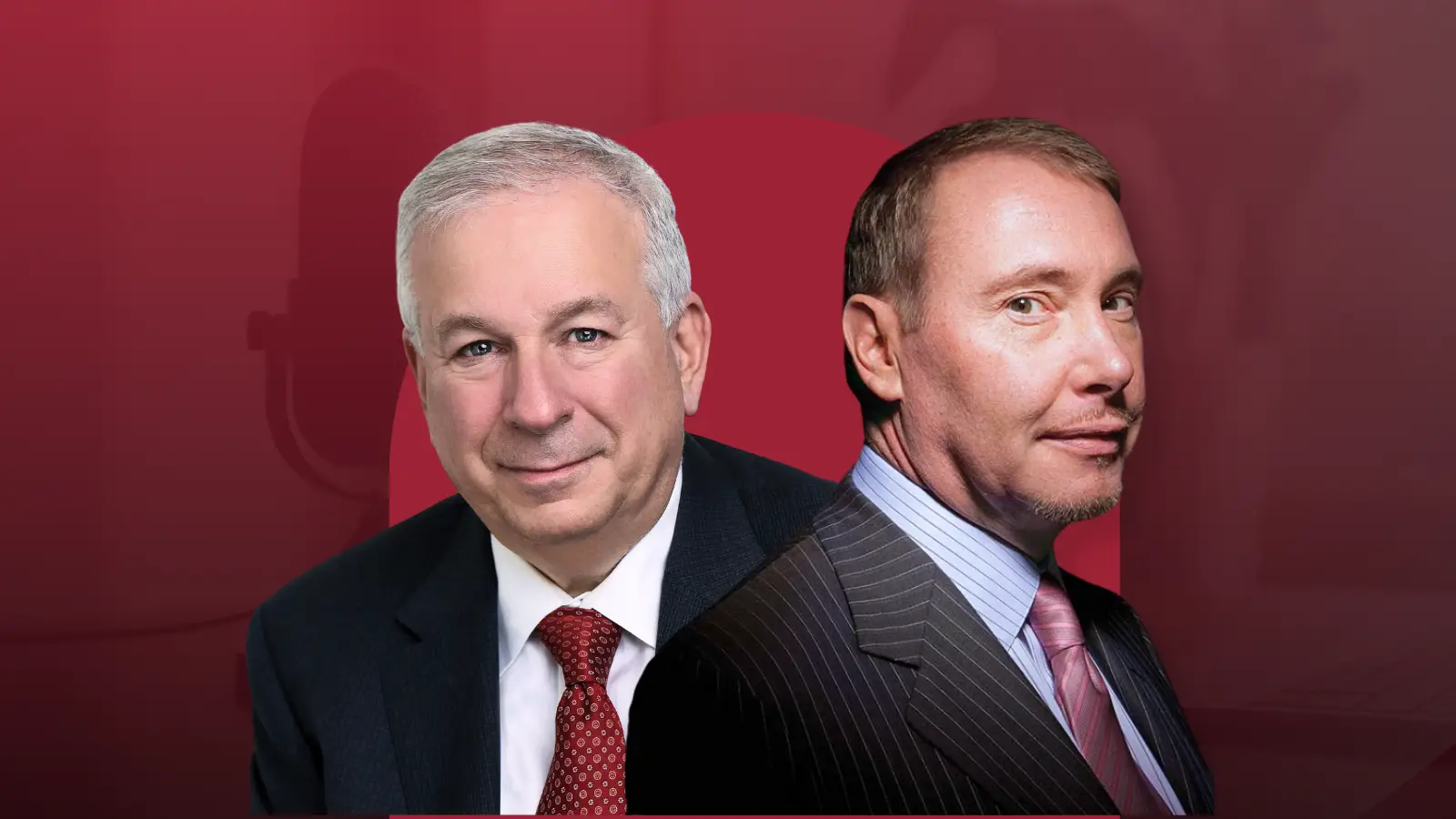
To cut through the confusion, David Rosenberg recently sat down with Marko Papic, Macro-Geopolitical Chief Strategist at BCA Research, to map out the forces currently reshaping our political landscape.
As a premier macroeconomic research company, Rosenberg Research is committed to providing the clarity necessary to navigate these transactions. Papic’s framework offers a grounded perspective: while geopolitics is often over-analyzed in day-to-day trading, its real impact is felt in the five-to-ten-year trends that dictate long-term asset allocation.
The End of the Unipolar Era
The central pillar of Papic’s thesis is the definitive transition from a unipolar world dominated by American hegemony to a multipolar reality in which no single power holds the reins. Think of this shift as a fundamental change in the global system. While the unipolar era provided a stable, predictable set of rules for investors, the multipolar world is inherently more volatile, characterized by localized conflicts that, while frequent, don’t necessarily escalate into catastrophic superpower rivalries.
This requires a shift in our global macroeconomic outlook. For decades, the world relied on a model in which the U.S. served as the consumer of last resort, accepting massive trade deficits in exchange for global influence. Papic argues this era of magnanimity is over, as U.S. policymakers become more focused on protecting domestic interests and leveraging market access.
Rebalancing the Global Seesaw
Investors should prepare for a significant rebalancing over the next five years to align macroeconomics with this new geopolitical reality. Papic identifies three critical shifts currently in motion:
- European Investment: Spurred by both U.S. pressure and domestic necessity, Europe is poised for a massive wave of infrastructure and defence investment.
- Chinese Consumption: As the American fiscal “gravy train” slows, China is increasingly compelled to reorient its economy toward domestic consumption to maintain stability.
- U.S. Retrenchment: Facing pressure from the bond market and shifting public sentiment toward deficit reduction, the U.S. is expected to pull back from the unsustainable fiscal expansion of recent years.
These shifts suggest that American Exceptionalism, or the idea that the U.S. will indefinitely outperform the rest of the world, may be overstated. Papic anticipates a period in which non-U.S. assets, particularly Europe and emerging markets, begin to catch up as global valuations reset.
Strategy for a New Business Cycle
Despite the doom and gloom often seen in the headlines, Papic’s view isn’t one of American collapse, but rather a necessary pause for valuations to return to reality. He remains tactically optimistic about equities in the near term, believing the Federal Reserve will be forced to cut rates more aggressively than markets expect as inflation continues to cool. Furthermore, he remains a staunch commodity bull, viewing current oil price weakness as a tactical entry point within a longer-term structural uptrend driven by a declining U.S. dollar.
For those looking to hedge against U.S.-centric risks, Papic points to Canada as a compelling alternative. Driven by potential internal trade reforms and a more rational approach to energy, the Canadian market may be ultimately beneficial for the long-term health of a diversified portfolio.
Refine Your Strategy with Rosenberg Research
The transition to a multipolar world demands a sophisticated approach to geopolitics and financial markets that looks beyond the daily news cycle. By focusing on structural rebalancing and valuation resets, investors can position themselves for the next phase of global growth.
To stay ahead of these evolving trends and gain access to our full suite of insights, explore our subscription options or contact us today for more information.